ETP Sludge
Effluent Treatment Plants (ETPs) generate sludge as a by-product during wastewater treatment. It contains suspended solids, organic matter, and residual contaminants removed from effluent. Typically, this sludge has very high moisture content, making it bulky and difficult to handle. Proper drying is essential for safe disposal and efficient waste management.
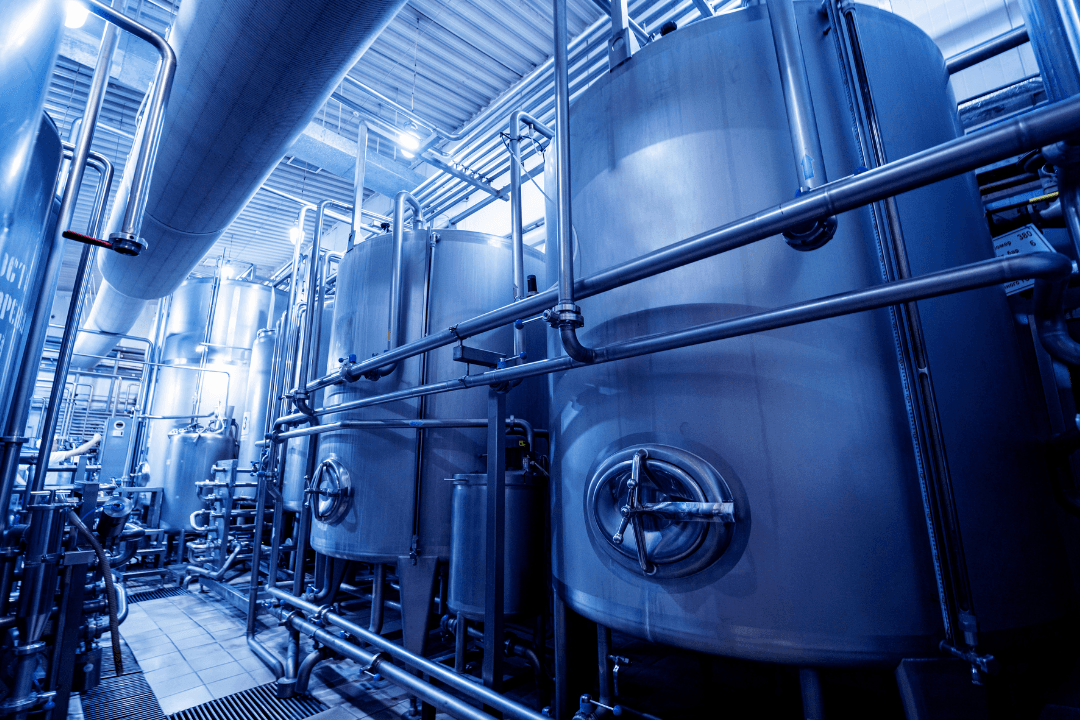
Challenges with ETP Sludge

High moisture content leads to bulky sludge and increased disposal cost.

Slow drying rates and high energy consumption in conventional systems.

Difficulty in achieving uniform drying for high-organic sludge.

Risk of odor, microbial growth, and leachate during storage & transport.
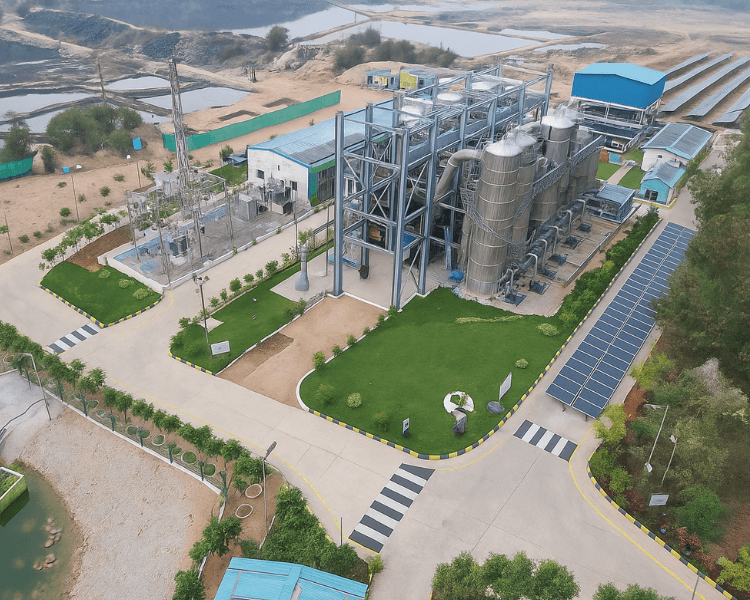
SED’s MVR-based LTE® technology significantly reduces waste volumes, enabling a cost-effective and sustainable Zero Liquid Discharge (ZLD) solution.
SED Solution - Paddle Dryer
Advantages of MVR based ZLD

Significant reduction in sludge volume.

Ensures dry reject output with moisture content below 10%.

Lower disposal and transportation cost.

Uniform and efficient drying performance.
Reduced odor and microbial activity.

Improved handling and storage stability.
Better environmental compliance and sustainability.